
Glass-Roofed Cabins and Aurora Stays: How to Think About Them

A glass-roofed cabin is a lovely idea and a more complicated one than the photographs suggest. Lying in bed under the sky is wonderful when the sky cooperates. When it does not, you are looking at cloud or at the reflection of your own lamp. The sensible way to think about aurora stays is as a comfort question first and an aurora question second: choose the place that makes the whole week good, then treat any view from the bed as a bonus.
This guide explains how to weigh glass-roofed cabins against other kinds of accommodation around Tromsø, what actually determines whether you see the northern lights from your room, and how we match a stay to the way each couple likes to travel. We do not name properties here. The right choice changes with dates, availability and what you want from the trip.
The honest case for glass-roofed cabins
There is a real appeal to being able to look up from a warm bed. For a honeymoon or anniversary it can be one of the most romantic moments of a journey, and it removes the need to dress for the cold to check whether anything is happening. If the sky clears and the aurora appears, you can watch for as long as you want from where you are.
It also changes the pace of an evening. Rather than waiting in a vehicle, you can stay at the lodge, have dinner, keep an eye on the forecast and step outside only when it counts. For guests who feel the cold, or who find late-night driving tiring, that is a genuine advantage.
The risk is expectation. The northern lights are a natural event and are never guaranteed. A glass roof makes the sky visible, but it cannot make it clear. Some nights it will be overcast from dusk to dawn, and a cabin without a second plan can leave you waiting.
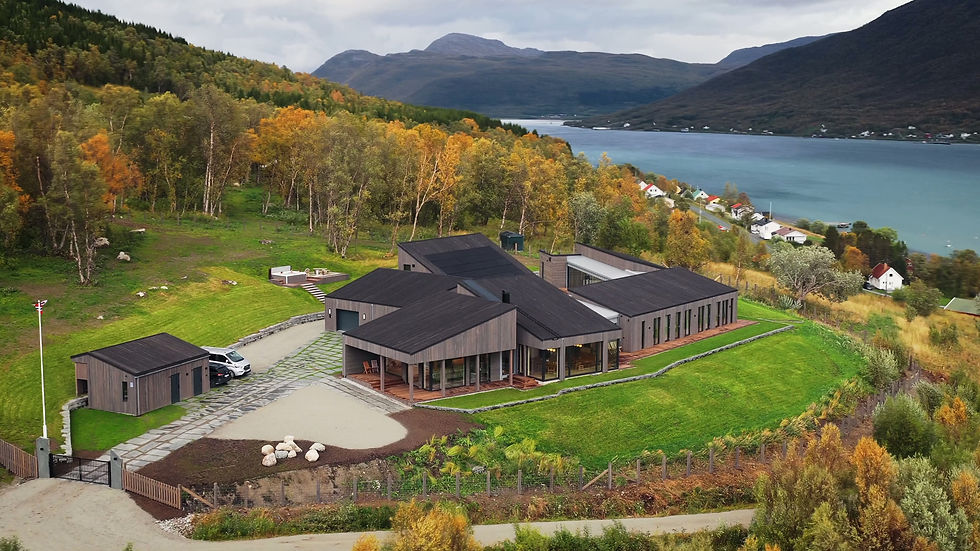
What decides whether you see the aurora from your room
Several factors matter more than the roof.
Darkness
A cabin in a dark location, away from street lights, shows a fainter aurora far better than one near a town. City lights wash out the weaker displays, so a stay outside Tromsø makes a real difference on a modest night.
Cloud
Clouds over the city often mean clear skies one to three hours inland, and guides sometimes drive towards the Finnish border to find a gap. A stay in a single place gives you one patch of sky. A private driver-guide gives you access to many. This is why we pair cabin stays with a private chase on at least one evening.
Aspect
The aurora usually appears in the northern part of the sky. A cabin facing the right way, with an open horizon, gives a better view than one hemmed in by trees or mountains. We check orientation and surroundings when we recommend a stay.
Light inside
Interior lighting reflects on glass. Good cabins have dimmable lighting, and a guest who turns lights off gets a clearer view. A small point, but it is the difference between watching the sky and watching your own reflection.
How the main stay types compare
We usually frame the choice as three broad types of accommodation, all of which exist in our portfolio of luxury Arctic lodges, exclusive private apartments and secluded wilderness cabins.
Glass-roofed or large-window cabin. Best for couples on a special trip who want the sky as part of the stay. Strong romance, depends on cloud, usually outside the city.
Luxury lodge. Best for guests who want service, dining, a lounge and darker skies. A comfortable base for both the aurora and daytime outings. Read more in our article on luxury lodges in Northern Norway.
City apartment. Best for variety, restaurants and walkability. The aurora is possible from a terrace on clear nights, though the strongest displays usually call for a short drive.
Many guests combine two. A pattern we like is two nights in the city for dining and arrival, then three in a cabin or lodge for the sky. We describe this approach in a separate note on splitting a stay.
Who should choose a glass-roofed cabin, and who should not
Choose it if you are travelling as a couple; the stay is tied to an occasion such as a honeymoon, anniversary or proposal; you enjoy quiet and are happy to be away from the city; and you are comfortable with a base that relies on a clear sky for its best moments.
Think again if you want a city rhythm with restaurants within walking distance; you are travelling with young children who may find a glass roof disruptive for sleep; anyone in the party has limited mobility and needs easy access; or you want to see as much of the region as possible without long transfers.
It is also worth being honest about light and sleep. In the polar night, daylight is limited, and a glass roof matters little in the dark months. In the shoulder seasons or in spring, a glass roof lets in more light, and light sleepers may prefer blackout options. Our article on the polar night helps with expectations about light.

Building a stay that does not depend on one sky
The best plan treats the aurora as a series of opportunities. A tailor-made journey around a cabin stay usually looks like this.
Night one, arrival. A quiet evening in the city or cabin. No pressure on the sky.
Night two, private chase. A premium vehicle and a driver-guide who can move towards clear skies. Our guide to a private northern lights evening for two explains how this works.
Night three, stay at the cabin. Dinner, a warm room and the forecast. Step outside as soon as the sky clears.
Night four, an alternative. A Sámi experience, a fjord day or an aurora snowshoe hike, so a cloudy night is still full.
Night five, flexible. Held in reserve for the best forecast.
The daytime matters as well. A snowshoe hike, a fjord drive, a fine meal or a rest day makes the cabin more than a place to wait. Guides photograph guests and share the photos free, which means you do not need to spend a clear night worrying about camera settings.
Booking and timing
Cabins with the best views are few, and they fill early for December, February and March. We recommend planning six to twelve months ahead, and the stay is usually confirmed before activities, since it shapes everything else. Journeys are priced as one complete experience, with a trip-design fee that depends on the number of days. You can see the published terms on our pricing page.
If your dates are close, do not be put off. Last-minute enquiries are welcome, and we will tell you plainly what is still available. The aurora season runs from September to early April, and the choice of month affects what a cabin gives you: autumn offers colour, the middle of winter offers the darkest nights, and February to April offers longer days with strong chances.
Questions worth asking before you choose
Whichever type of stay appeals, these questions help separate a beautiful photograph from a good week.
How dark is it at night? Ask about nearby lights and the direction the windows face.
How far from the city and from restaurants? Remote is wonderful on a clear night and inconvenient on a cloudy one.
Is there a place to be outside in comfort? A terrace, a fire or a warm lounge changes how long you stay out.
What are the sleeping arrangements? Blackout options matter in the shoulder seasons and in summer light.
How do we get there in winter? A private driver who knows the road removes a worry.
What does a cloudy day look like? A good stay has a plan for the daytime.
We ask these on your behalf, which is a large part of what a local planner does. Properties differ in character and availability, and we never invent or guess details. If something is not right for you, we say so. It is better for a couple to choose a simpler stay they love than a famous one that does not suit them.
A final thought on photographs. Many guests are tempted to photograph the sky through the glass. It rarely works, because of reflections and the glass itself, and the best pictures are taken outside with a guide who knows the settings. Treat the glass roof as a place to watch and the outdoors as a place to capture, and you will be happier with both.
Frequently asked questions
Can you see the northern lights from a glass-roofed cabin?
Yes, when the sky is clear and the display reaches your part of the sky. Darkness, orientation and cloud decide it more than the roof. Nobody can guarantee the aurora, so we pair cabin stays with a private chase and alternative activities.
Is a cabin better than a hotel in Tromsø for the aurora?
A cabin outside the city offers darker skies at the door. A city base offers restaurants and convenience. The better choice depends on whether you value remoteness or variety, and many guests combine both.
How many nights should we stay in an aurora cabin?
Three nights is a good length for a cabin within a longer trip. We recommend at least five nights in total in the region so you have several chances at the sky.
Are cabins suitable for children?
Some are, but a glass roof can disturb sleep, and remote locations ask for more planning. We often suggest a private apartment for families and a cabin for couples.
Do you name specific cabins and lodges?
Not in articles. We match accommodation to your dates, preferences and the style of journey, and share options when we plan together.
Plan your Arctic journey
If a night under the sky is part of what you imagine, tell us your dates and what matters most about where you stay. We reply within one business day with first ideas for a tailor-made journey.


Comments