
Incentive Trips to Tromsø: What a DMC Handles for You

An incentive trip works when the destination feels like a reward and the logistics disappear. The Arctic is a strong candidate for both reasons. It is distinctive, it is hard to compare with anything your team has already done, and it gives a group a shared story that lasts long after the return flight. But it is also a place where poor planning shows quickly: dark afternoons, cold evenings, long transfers and weather that changes the plan on the day.
This guide is for HR leaders, event managers and executives considering Tromsø and Northern Norway for an incentive trip, a leadership retreat or a client reward. We explain what a destination management company handles for you, how we structure a programme for a small group, how we think about timing and group size, and where larger events need partners. We do not quote prices here. Journeys are priced as one complete experience, and a budget idea is requested before planning begins.

What an incentive trip needs to deliver
A good incentive trip has three jobs. It must feel generous, so that people see it as a real reward and not a working trip in disguise. It must feel seamless, so that the organiser is not firefighting. And it must create moments that people talk about, which in practice means a few carefully chosen experiences rather than a crowded schedule.
The Arctic helps with the first and third. Few destinations offer a night under the northern lights, a husky sled, a quiet fjord or a dinner in the wilderness within the same journey. The second job is where most of the work lies, and it is where a local destination management company earns its place. We explain what that means in our guide to what a DMC does in Northern Norway.
Incentive groups are also unlike leisure groups. They include people who did not choose the destination, who vary in fitness and comfort with the cold, and who are being watched by colleagues. A programme has to work for the least adventurous person and still delight the most enthusiastic. That balance is the central design problem, and it shapes everything below.
What a destination management company handles
For a corporate group, the value of a DMC is the sum of many small things done well. We work as one point of contact, so your team does not have to coordinate separate suppliers.
Programme design. A day-by-day plan built around your objectives, your group and the season, with alternatives for weather.
Reservations and booking management. Accommodation, transport, experiences and dining, all handled and confirmed.
Transport. Airport transfers and daily travel with our premium Mercedes fleet and professional drivers, plus private yachts and helicopter transfers through partners where appropriate.
Guides and safety. Local, trained guides, and decisions on the day about routes and conditions. Tours are cancelled only when unsafe.
A personal digital travel dashboard. The day-by-day itinerary, bookings, tickets and documents in one place, which helps when you are managing a group.
Dedicated support. Before and during the trip, so that a delayed flight or a change of plan is handled quickly.
We also handle dietary needs. Vegetarian, vegan, gluten-free, lactose-free and common allergies are accommodated when we know in advance, which matters in a group where needs vary widely.
Group size: how we think about it
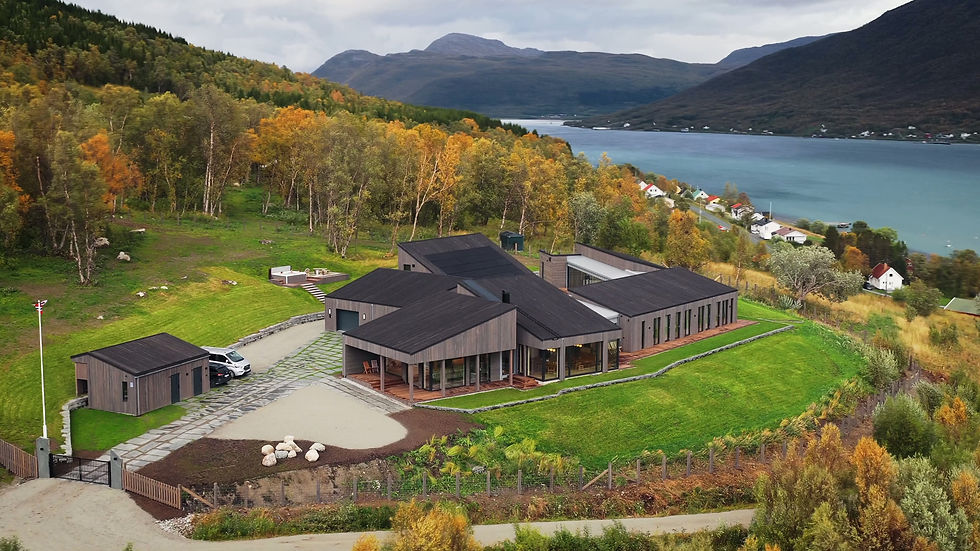
Group size changes the nature of the journey. For a small group of up to eight guests, we can design a tightly personalised programme, with private vehicles, lodges or apartments and bespoke experiences. This is the sweet spot for executive retreats, leadership reward trips and client hospitality.
For groups over eight, or journeys with complex itineraries, we work on a custom basis. Logistics multiply, and we plan more carefully around vehicles, venues and staffing. For larger events, such as conferences or incentive programmes with many dozens of participants, we work with MICE partners, so that the scale is handled by specialists while the Arctic content is designed by us. Our article on corporate retreats in Northern Norway goes into the planning of retreats in more depth, and our guide to executive retreats in an Arctic lodge covers the smaller, more private format.
Up to 8 guests: fully tailored, private vehicles, bespoke experiences, close personal service.
Groups over 8: a custom quotation and programme, designed individually, with several vehicles. Larger events are planned with MICE partners, with our local content and logistics support.
A sample four-day incentive programme
This is an illustration of a rhythm for a small leadership or reward group in winter, not a fixed programme. Dates, content and pacing change with the season, the objectives and the group.
Day 1, arrival. Private airport transfers, check-in, and an early evening welcome dinner with local ingredients. A short briefing on clothing and the plan for the days ahead. Keep it easy, because people arrive from different time zones.
Day 2, the landscape. A daytime fjord drive with guides, a long lunch and an afternoon to rest. In the evening, a private northern lights evening, chosen on the day based on the forecast. The northern lights are never guaranteed, so we build in alternatives.
Day 3, the activity day. Dog sledding, snowshoeing or a Sámi culture experience, with a choice of intensity for each person. A shared dinner in the evening with a cultural element, such as a private dinner in a wilderness setting.
Day 4, departure. A relaxed morning, final transfers and a buffer for weather-related flight changes.
For executive retreats with work content, we would build in a quiet space for sessions, with the experiences as contrast rather than competition. We often suggest keeping the working part to the mornings and the experiences to the afternoons and evenings. We avoid contrived team activities, because the landscape does the work.
Timing, seasons and lead time
Winter is the classic season, from September to early April for the northern lights. November to January brings polar night and dramatic light. February to April brings longer days and strong aurora chances, which many corporate groups prefer because the days are more usable. Summer, with the midnight sun from about 20 May to 22 July, is a strong alternative, particularly for groups who prefer milder weather and hiking, boating and coastal experiences.
Lead time matters. We recommend six to twelve months ahead for peak winter, Christmas and New Year, and incentive programmes are no exception. Accommodation that suits a group is limited, and private vehicles and guides are booked early. A longer planning window also helps with visas, approvals and your internal timeline. Our guide to how far in advance to book an Arctic journey sets out the reasoning.
Budget, process and what to prepare before you enquire
We price each journey as one complete experience, not as an itemised list, and we ask for a budget idea before planning. The trip-design fee is published on our pricing page, and for groups over eight guests or complex itineraries we provide a custom quotation. Payment terms are also published: a deposit at confirmation, the balance 45 days before departure, and full payment for bookings made within 45 days.
To make the first conversation productive, it helps to have these points ready:
The objective of the trip: reward, retreat, client hospitality or a combination.
The number of people, and a rough idea of their ages, fitness and any dietary or mobility needs.
Preferred dates, and how flexible they are.
A budget idea, and whether there are approval stages we should plan around.
Any working requirements, such as meeting space, connectivity or confidentiality.
Frequently asked questions
What group size do you handle?
We design tailored journeys for small corporate groups, with fully personalised planning for up to eight guests. For larger groups or complex itineraries we provide a custom quotation, and for larger events we work with MICE partners.
Can an incentive trip include working sessions?
Yes. Many groups include a retreat element. We suggest keeping sessions to the mornings and experiences to afternoons and evenings, so that the work and the reward each get proper attention.
When is the best time for an incentive trip to Tromsø?
The northern lights season runs from September to early April. February to April offers longer days and strong aurora chances. Summer, with the midnight sun, suits groups that prefer milder weather. The best choice depends on your objectives.
How far ahead should we plan?
We recommend six to twelve months ahead, especially for Christmas, New Year and peak winter. Last-minute enquiries are welcome, subject to availability, but the best options go early.
Will the northern lights definitely appear?
No. The northern lights are never guaranteed, and weather cannot be promised. We plan several evenings and alternatives, and guides choose the best option on the day to improve the chances.
Plan your Arctic journey
If you are considering Tromsø for an incentive trip or retreat, tell us the objective, the group size and your preferred dates, and we will reply within one business day with first ideas.

Comments